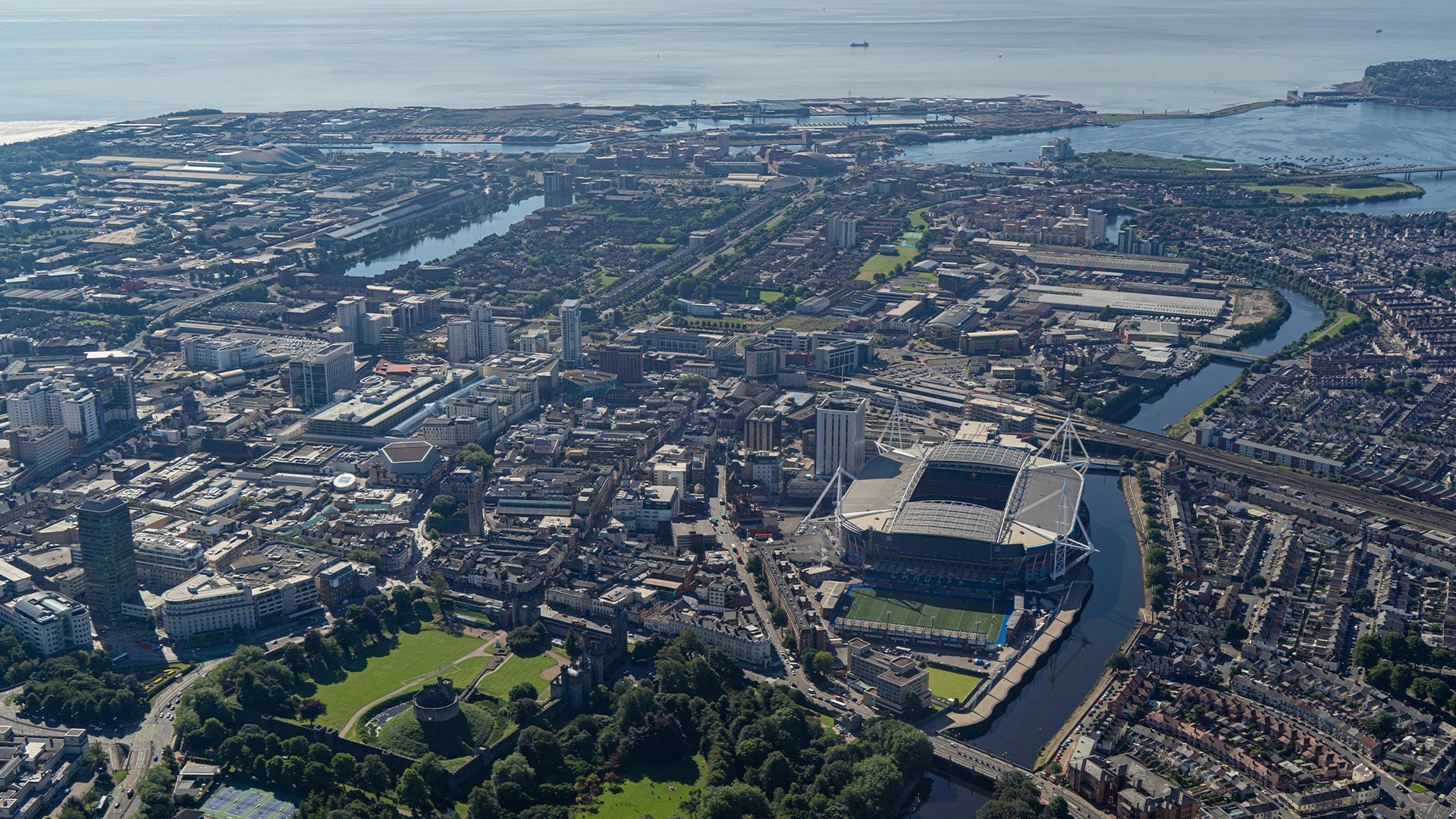

Cardiff’s average purchase price fell by just over £9,000 between the first and second quarters of 2026, according to figures from Principality Building Society.
The average dropped from £312,610 to £303,323, a reduction of 3%.
For someone saving towards a home in the city, that could mean a smaller deposit target or less mortgage borrowing if the properties they are considering have also come down in price.
Published in October, the report covers purchases during the first half of 2026. It gives buyers a chance to compare what people have been paying in Cardiff and the surrounding areas.
How Do Cardiff Prices Compare With Nearby Areas?
Newport’s average purchase price was £274,327, around £29,000 below Cardiff’s. Caerphilly averaged £232,272, while Rhondda Cynon Taf was lower again at £203,164.
The Vale of Glamorgan was slightly more expensive than Cardiff, with an average purchase price of £307,905. The difference was around £4,600.
For buyers who are open to more than one area, the larger price differences could affect how much space they can afford or how soon they can buy.
Someone finding that their budget only stretches to properties needing substantial work in Cardiff may want to compare homes in Newport or Caerphilly.
Spending less on the purchase could leave more of their savings available for repairs, furniture and moving costs.
The smaller difference between Cardiff and the Vale gives buyers a reason to search both if either location would suit them. Ruling one out on price alone could mean missing a property within their budget.
Could a Lower Price Bring Buying Closer?
Saving a deposit can feel slow when rent and everyday spending take up a large part of your income.
A lower purchase price can reduce the amount you need to save. For example, a 10% deposit on a £250,000 home is £25,000. On a £230,000 home, it is £23,000.
That £2,000 difference could shorten the time needed to reach your deposit target.
If you already have £25,000 saved, keeping the full amount as your deposit would reduce the mortgage needed on the £230,000 property to £205,000.
This is where comparing properties at different prices becomes useful. You can see how each would affect your savings and borrowing before deciding which homes to view.
What Does the Cardiff Average Mean for First Time Buyers?
The £303,323 figure covers first time buyer and home mover purchases. It is not the amount someone needs to spend to buy their first home in Cardiff.
If you are searching below that price, the properties available within your range matter far more than the city average.
We start with your deposit, income and regular commitments to establish how much you may be able to borrow.
Lenders assess income and outgoings when deciding what mortgage they can offer, so two buyers earning the same salary can receive different borrowing amounts.
Once you have a borrowing range, you can search with a clearer idea of what is achievable. It may give you enough scope to stay in your preferred area, or show how much further your budget could stretch nearby.
Is There Room to Offer Below the Asking Price?
If a property is above your budget, finding out how its asking price compares with similar homes can help you decide if an offer is worth making.
Look at recent sold prices, how long the property has been advertised and any work you would need to pay for. A home needing a replacement kitchen or roof could leave you with substantial costs after completion.
If the asking price leaves you without enough money for the work needed, you could explain this when making a lower offer.
If a seller agrees to a lower price, you can then review how much of your savings to use as a deposit and how much to retain for purchase costs and repairs.
Comparing Mortgage Payments Across Your Property Search
A property costing £20,000 less could change your monthly budget as well as your deposit requirement.
As a mortgage broker in Cardiff, we can compare mortgage payments at the prices you are considering. That lets you put a monthly cost against a home in the city and another in a nearby area.
You can then include travel, parking and any property charges in the comparison. This helps establish how much you would have left each month, particularly if moving further from work would increase your commute.
Having those figures before making an offer gives you a budget to work within and a clearer idea of which properties you can comfortably afford.
Date Last Edited: October 20, 2026